
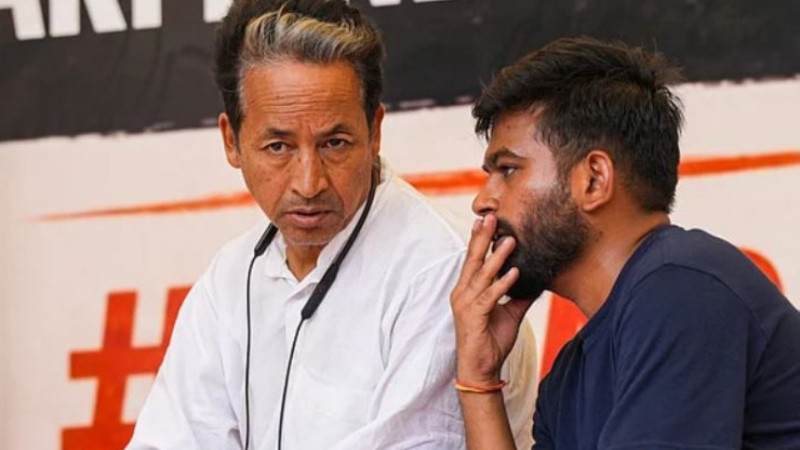
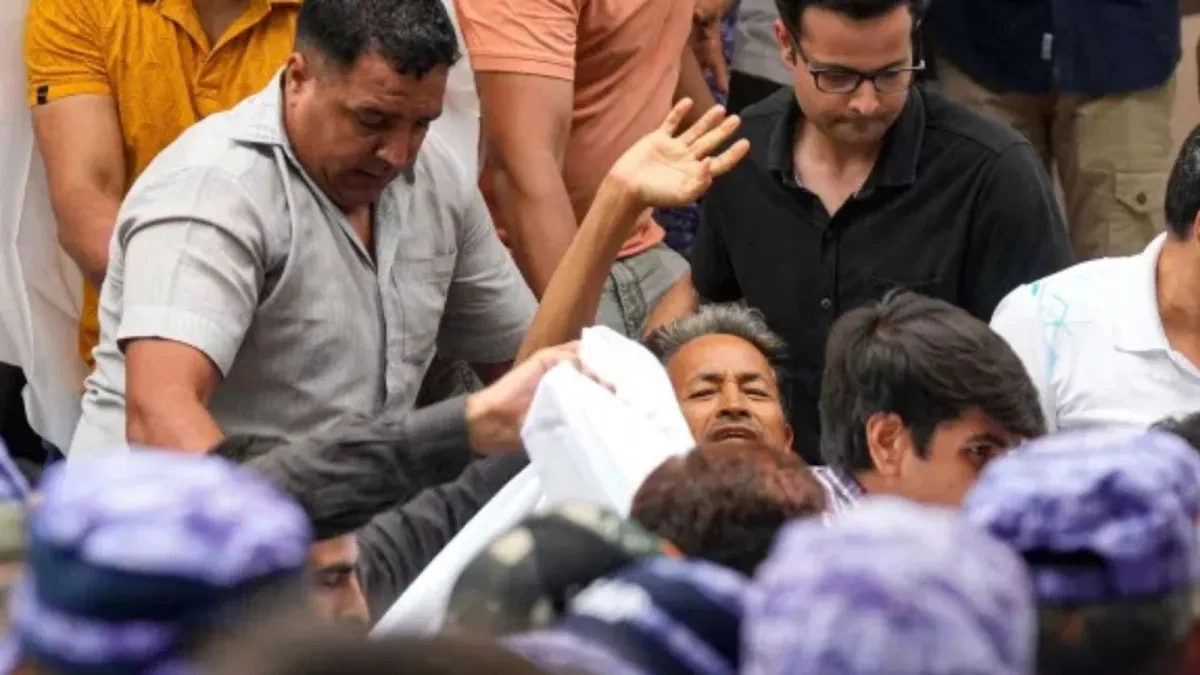
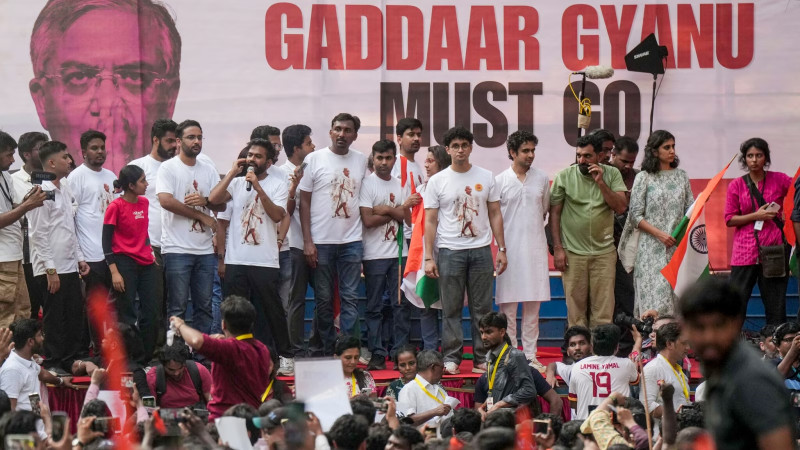
The Cockroach Janata Party began its protest at Jantar Mantar in Delhi on June 20. On the seventh day of the protest, Sonam Wangchuk began a hunger strike, thereby sharpening the intensity of the movement. At the time this issue was going to press (on the morning of 18 July), the protest had completed one month, while Wangchuk's hunger strike had been going on for three weeks and the police had forcibly admitted Wangchuk to a hospital. According to the police, this action was taken in compliance with an order of the High Court, as Wangchuk's health had deteriorated severely. During the operation, clashes broke out between the protesters and the police, and Abhijeet Dipke was also assaulted. Meanwhile, the Cockroach Janata Party had announced that it would organise a march to the Parliament on July 20, the same day on which the Monsoon Session of Parliament was scheduled to begin. During the previous week, leaders from all the major opposition parties had visited the protest site at Jantar Mantar. So, by the time this issue reaches the readers, it will already be clear whether opposition leaders joined the march on 20 July, whether the procession was stopped on Parliament Street, whether its leaders were arrested, and whether parliamentary proceedings were disrupted on the very first day of the session. Sonam Wangchuk had himself announced that he intended to participate in the march. However, when he began his hunger strike, he had declared that it would last for twenty-one days. Now, Abhijeet has begun an indefinite hunger strike.
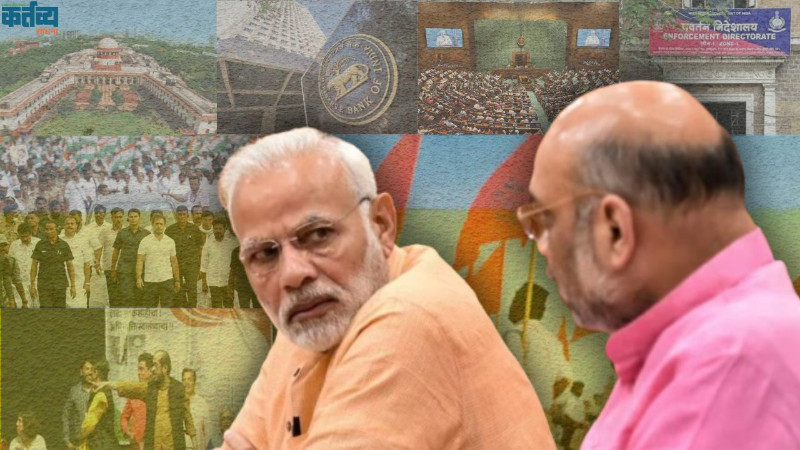
The principal demand of this movement was the resignation of Union Education Minister Dharmendra Pradhan. A second demand has now been added that after the NEET examination paper leak and the subsequent cancellation of the examination those students who consequently committed suicide, their families should each receive compensation of Rupees one crore. At the beginning of the movement, several other education-related demands were also raised, but for the moment they have receded into the background. The central demand continues to be the resignation of the education minister. In fact, this has been the main demand ever since Abhijeet Dipke organised the one-day protest at Jantar Mantar on 6 June. However, throughout this entire period, neither the central government nor the ruling Bharatiya Janata Party has issued a single official statement. During the intervening weeks, Dharmendra Pradhan himself and a few minor BJP leaders labelled the protesters as anti-national, extremists, Pakistanis and so on. However, Prime Minister Narendra Modi and Union Home Minister Amit Shah have so far maintained their silence.
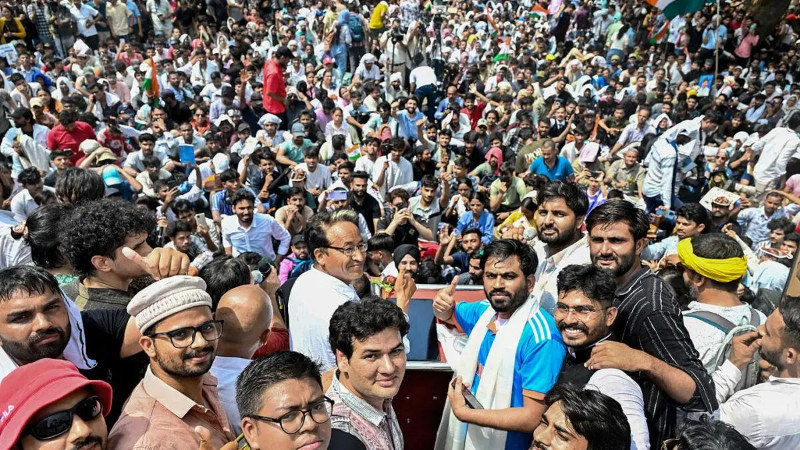
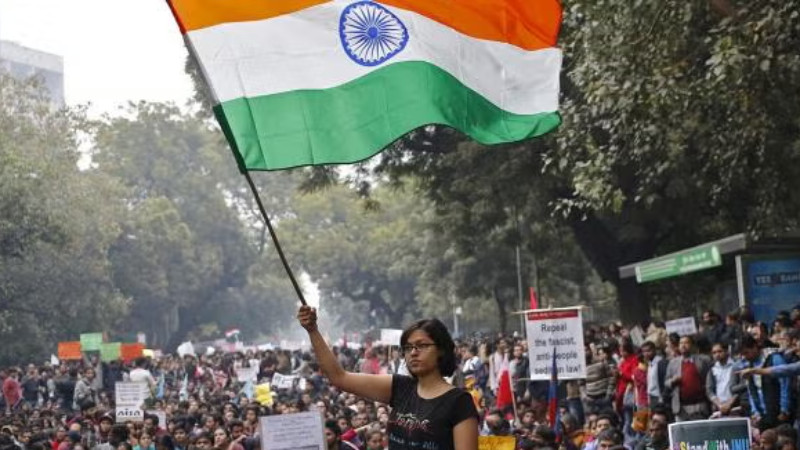
When the protest first began, the gathering at Jantar Mantar consisted primarily of young people. Gradually, their family members joined them. Representatives of social organisations came next, then the farmers from Haryana and Punjab arrived. Later, religious leaders and ascetics arrived, as did personalities from the film industry. During the final eight to ten days, leaders from political parties also began visiting the protest site. This began with Yogendra Yadav and eventually included representatives of the Indian National Congress. From the outset, mainstream television news channels largely ignored the movement, while some chose to ridicule it. India's leading newspapers did report on the developments, though with restraint. Social media platforms and YouTube channels however, kept the movement alive.
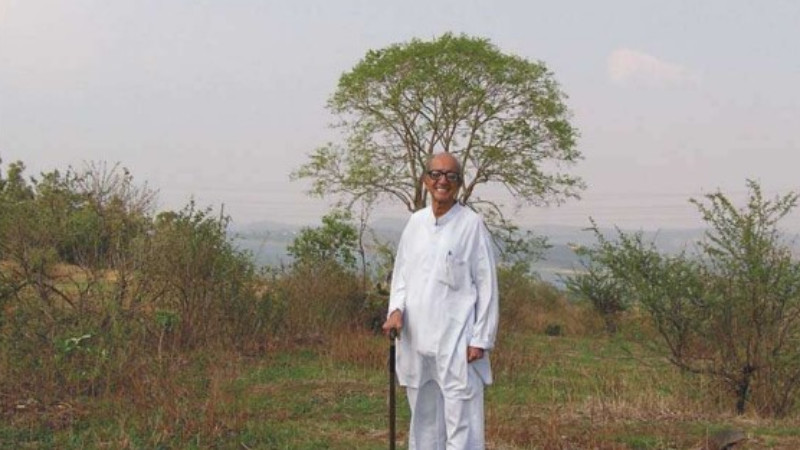
Throughout the entire course of the protest, Abhijeet Dipke, his colleagues, the well-wishers supporting them, and those participating in the movement consistently displayed remarkable maturity. Even in situations that might have provoked them, none of them resorted to discourteous language. Despite numerous occasions when tempers could easily have flared, the movement remained peaceful and free from violence. The protesters had originally been granted permission to demonstrate at Jantar Mantar for only a single day. However, once the movement began, they remained there for an entire month, setting up a protest camp. During this period, all their abilities were repeatedly tested. The movement became a demonstration of coordination, organisation, patience, and intelligence. It also revealed the depth and sincerity underlying the protest. Although its immediate focus appeared to be the education system, it became increasingly evident that the movement addressed much broader political and social concerns. The tactical skill displayed by the organisers throughout this period is also admirable. In dealing with the police administration while simultaneously building alliances with diverse groups, they demonstrated both determination and flexibility. In the words of Dada Dharmadhikari, the movement embodied the three defining qualities of youth: brilliance, austerity, and enthusiasm.
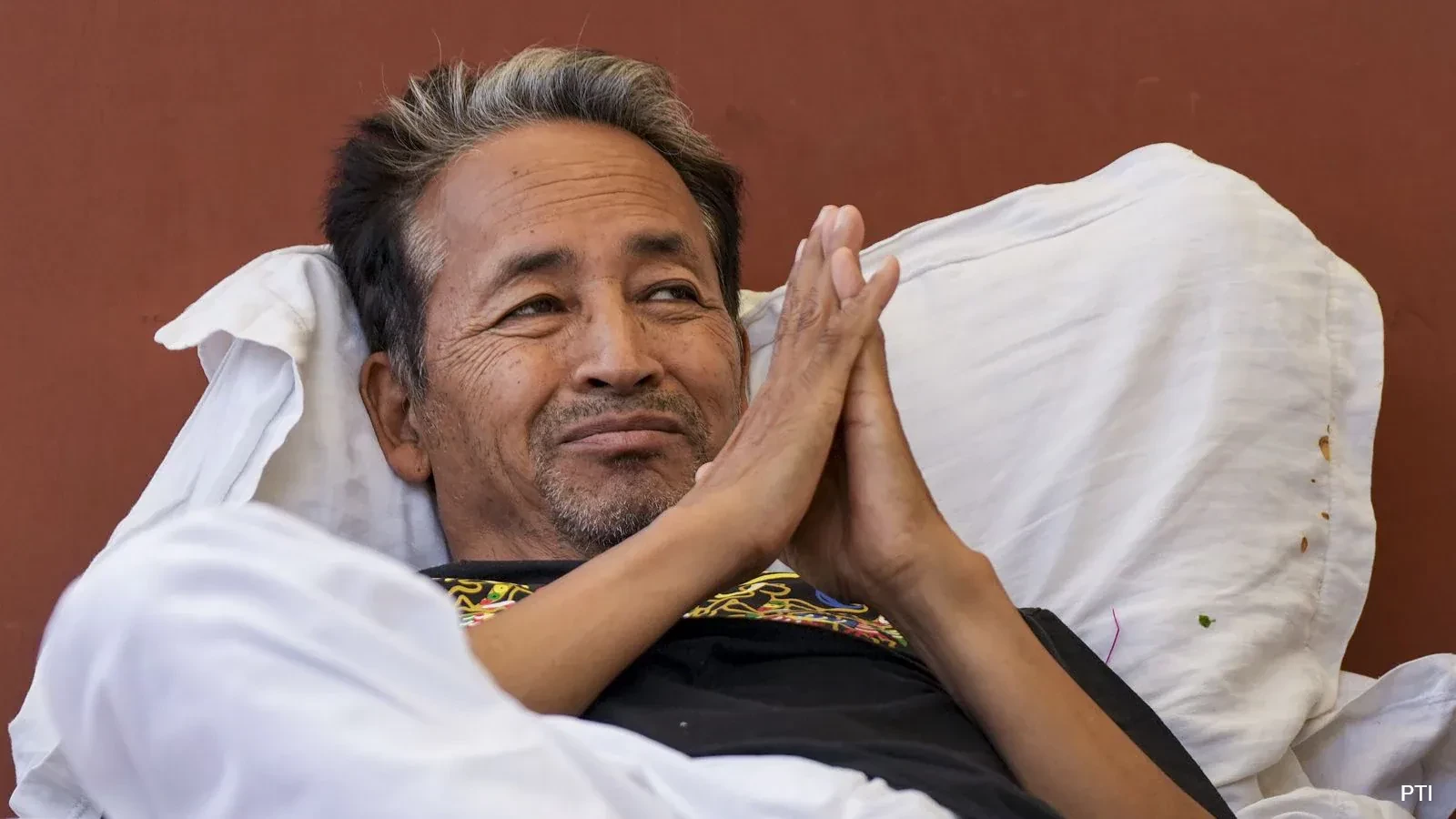 In reality, after the first day of the protest, the police declared the gathering unlawful by stating that no further permission had been granted. Attempts were then made to disconnect the supply of water and electricity. Obstacles were created to prevent food and drinking water from reaching the protest site. The authorities also resisted efforts to provide shelter from the intense heat and rains. Permission was denied to bring in a mobile toilet for Sonam Wangchuk. When more than a dozen student leaders also began hunger strikes at the site, the authorities allegedly maintained an approach that further increased their hardships. However, these measures ultimately produced the opposite effect. Sympathy for Abhijeet and the movement continued to grow. As more people witnessed the difficulties faced by the protesters, offers of assistance increased steadily. Numerous individuals came forward to provide food, drinking water, and other essential facilities. They included people from different states as well as members of various religious communities and faith traditions. Consequently, the government found itself in an increasingly difficult position, as suppressing the movement became progressively more challenging. For roughly the first three weeks, leaders of other political parties stayed away from the protest. This was not because they distrusted the CJP, but because they were uncertain whether their presence would be welcomed and how the protesters would respond to them. From the beginning, the CJP had maintained that leaders from any political party were free to participate, provided they left their party agendas aside. There appeared to be little inclination on the part of political leaders to do so initially. During the final eight to ten days, however, the CJP itself extended invitations to leaders of political parties. As a result, representatives of several major national political parties visited Jantar Mantar and expressed their support for the movement. Consequently, the protest has now acquired national recognition.
From the very beginning of the movement, two distinct camps were clearly visible. The first consisted of those who argued that the protest was secretly backed by the Aam Aadmi Party and therefore chose to distance themselves from it while raising suspicions about its motives. Their implication was that if the movement had any association with the Aam Aadmi Party, its objectives and ideological direction were somehow suspect. Some even went further, arguing that such a movement would ultimately benefit the RSS-BJP. A few commentators went so far as to seek a public assurance from Abhijeet and his colleagues that they would never enter politics, as though participation in politics were itself something improper. On the other side were certain BJP supporters who opposed the movement but relied on shallow and immature arguments. As a result, they appeared quite unconvincing. They were unable to argue convincingly that Dharmendra Pradhan had performed effectively or bore no responsibility. Nor could they deny the allegations regarding the NEET examination paper leak or the occurrence of irregularities in other competitive examinations. As a result, they were unable to present any substantive grounds for opposing the movement. This left some of the media and certain intellectuals appearing ineffective and exposed as unquestioning supporters of the BJP. The true test of those who support the BJP would be their willingness to criticise those who already possess enormous political power. If one cannot remain impartial even during difficult times, then it would be natural to wonder about what kind of patriotism this was.
Against this backdrop, what should be regarded as the real outcome of the movement? It would be a fundamental mistake to judge its success solely by whether Union Education Minister Dharmendra Pradhan resigns. To assume that the movement would be successful only if he resigned, and unsuccessful if he did not, is to misunderstand its purpose entirely. The resignation of the minister is not an end in itself. No one has claimed that his resignation alone would cleanse the education system. Rather, the demand represents a basic call for acknowledging mistakes and accepting responsibility for them. Beyond that, much work would still remain to be done. The demand for the minister's resignation was intended merely as the first step in a much larger and longer struggle. It served as the starting point for the movement itself. Therefore, if the present agitation has succeeded in becoming a major national movement, even if the minister does not resign. After all, the CJP, which came into existence only two months earlier, has caused a stir in the entire country as never before.
 Abhijeet Dipke has explained how the Cockroach Janata Party (CJP) came into existence almost accidentally while he was in the United States. He has also described how his decision to come to India emerged largely in response to growing public support. He has also emphasised that the response he received after returning to India, both in Delhi and in seven other cities, was entirely unexpected. As a result, the month-long protest at Jantar Mantar has appeared to many as a sudden and spontaneous development. However, this is not the case. Rather, the movement represents an outlet for the public unease that has been steadily building over the past decade. At present, this path remains narrow. Similar paths have emerged in the past but they disappeared midway. Therefore, there is no certainty that the present path will eventually become a broad highway. Nevertheless, such a possibility exists because this path has been carved by young people.
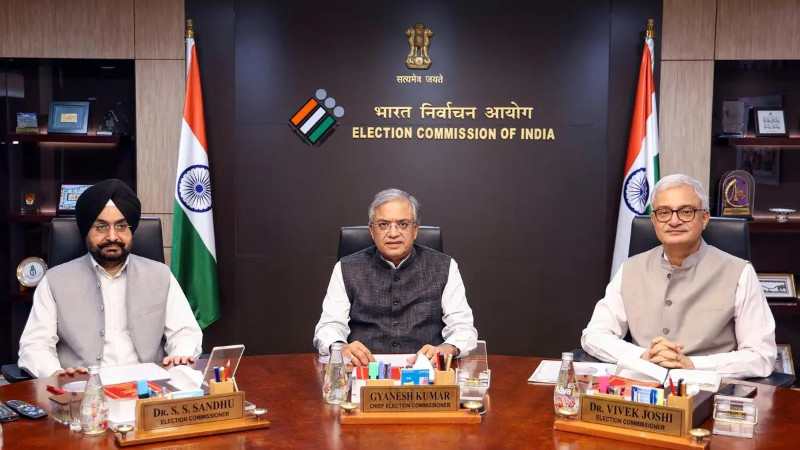
Over the past twelve years, the Narendra Modi government has gradually consolidated control over constitutional institutions while moving towards an increasingly centralised and authoritarian style of governance. The authority of the Supreme Court has diminished, and public confidence in the judicial system has weakened. The Election Commission, has been turned into a puppet by the central government. Consequently, many citizens increasingly wonder what constitutional and democratic avenues remain available for challenging those in power. The possibility that some political parties or organisations might even begin advocating an electoral boycott would therefore no longer come as a surprise. Widespread movements based on non-cooperation and civil disobedience are not unimaginable any longer. The only real question is whether Indian society is prepared for such forms of democratic protest.
One of the principal reasons Narendra Modi and the BJP came to power at the national level twelve years ago was their ability to attract the support of young people. That influence remained strong for another five or six years but has declined rapidly over the past four or five years, a trend that became evident during the 2024 Lok Sabha elections. Having reached the peak of their political influence through their ideology and organisational strength, the RSS-BJP is now entering a phase of decline. This explains why the ruling establishment seeks both to weaken opposition parties and to bring constitutional institutions under its control. The Modi government's record has been marked by numerous shortcomings, but the greatest and most enduring damage has occurred in the sphere of higher education. Most universities have been seriously weakened. At many places, puppets have been installed as vice-chancellors. Research institutions have been rendered ineffective. Mischievous interference has been carried out in academic curricula. Educational institutions have not been left capable of implementing the New Education Policy. Therefore, if an upheaval is emerging from the education sector, it is not an accident; there is a clear cause-and-effect relationship behind it.
Against this backdrop, the emergence of Sonam Wangchuk as a national leader of the movement is not a coincidence either. In 1988, at the age of twenty-two, Wangchuk founded the Students' Educational and Cultural Movement of Ladakh (SECMOL). For the past thirty-eight years, he has pursued educational innovation through that organisation across Ladakh and the surrounding region, later expanding his work to include environmental issues. Educational reform has remained the central focus of his life's work. In 2018, he received the Ramon Magsaysay Award, often regarded as Asia's equivalent of the Nobel Prize, so public prominence is not new to him. His father served as a minister in the Jammu and Kashmir government in 1975, giving Wangchuk first-hand familiarity with both the possibilities and the limitations of political power. His wife, Geetanjali, is also deeply engaged in educational work. Both of them carry forward a legacy of noble idealism. It is from that legacy that they have drawn the courage to stake their lives on their convictions. Therefore, whatever may happen on 20 July, new movements will emerge from the youth in the years ahead. The Modi regime will come to an end through the efforts of the new generation alone. Whether that takes two years, four years, or even longer is the only question that remains.
- Vinod Shirsath (Editor, Sadhana)
Editorial written on 18 July 20226
(Translation by Rahee Dahake)
kartavyasadhana@gmail.com
The original Marathi article is published as the Editorial of Sadhana Weekly Issue dated 25 July 2026. It will soon be available to read on the Weekly Sadhana website.
Tags: cjp cockroach janta party hunger strike jantar mantar abhijit dipke new delhi dharmendra pradhan dharmendra pradhan resignation 20 july protest bjp leh abl kda ladakh editorial editorial sadhana wekkly सोनम वांगचुक अभिजत दिपके जंतर मंतर उपोषण आंदोलन कॉकरोच जनता पार्टी भाजप मोदी धर्मेंद्र प्रधान धर्मेंद्र प्रधान राजीनामा neet neet पेपर फुटी neet paper leak साधना डिजिटल Load More Tags




Add Comment